
Maintenance Costs: What to Expect Over 10 Years
Hybrid maintenance isn't as scary as some people think. We break down what you'll actually spend on repairs and maintenance for hybrid sedans in Ottawa and Calgary.

Understanding the Real Cost Picture
Here's the thing about hybrid maintenance — it's different from regular gas cars, but not necessarily more expensive. You've got some components that are unique to hybrids, sure. But you're also getting advantages that actually save you money over time.
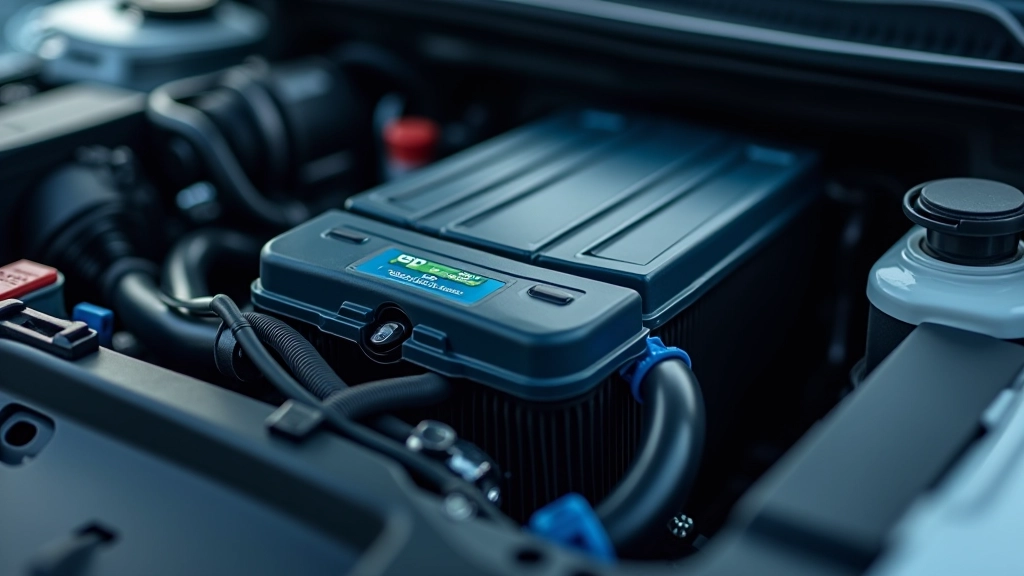
The battery's probably what you're wondering about first. Warranty coverage on hybrid batteries typically runs 8 to 10 years or 160,000 kilometers, whichever comes first. That's the big peace-of-mind piece. Most owners never need battery replacement during ownership — and when they do, you're usually still covered.
Year-by-Year Breakdown: What Actually Costs Money
In the first five years, you're looking at pretty standard maintenance. Oil changes, air filters, tire rotations — that's roughly $500 to $800 per year depending on your vehicle and where you live. Brake pads? They last longer on hybrids because of regenerative braking. We're talking potentially 100,000 kilometers or more before replacement.
Years 1-5: The Smooth Sailing Period
- Oil changes: $60-$100 per change (every 10,000 km)
- Air filters: $40-$80 every 15,000-20,000 km
- Tire rotations: $80-$120 annually
- Brake fluid: $150-$250 every 3 years
- Total estimate: $500-$800 yearly
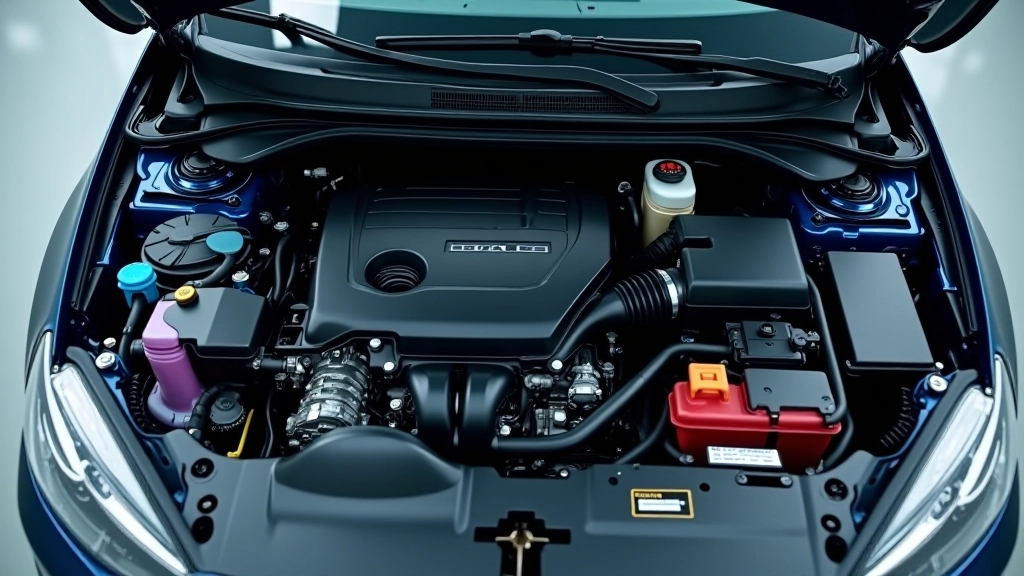
Years six through eight get slightly pricier. You might need transmission fluid service if it's a sealed unit — though many hybrids don't require regular changes. Coolant system maintenance kicks in around this timeframe. Some owners find themselves replacing suspension components, especially if they're driving on rougher Canadian roads. That's where Ottawa and Calgary winters come into play.

The Later Years: Years 9-10 and Beyond
This is where costs can jump a bit, but not dramatically. Your battery's still under warranty unless you've hit the mileage ceiling. What you're really paying for now is preventative stuff. Spark plugs on some hybrids might need replacement. Transmission servicing if it hasn't been done. Suspension wear becomes more noticeable.
Years 9-10: Preventative Maintenance Increases
- Spark plugs: $150-$300 for replacement
- Transmission service: $200-$400
- Suspension inspection: $100-$200 (may lead to repairs)
- Coolant system flush: $150-$250
- Brake system inspection: $100-$150
Realistically, you're looking at $1,000 to $1,500 in year nine, and similar in year ten. Not because hybrids are expensive — it's just the nature of older vehicles. Everything gets a bit more attention at this stage.
Hybrid vs. Traditional Gas: The Real Numbers
You'll see claims online that hybrids are cheaper to maintain. That's partially true. You save on brakes and transmission wear. But you don't save much on oil, filters, and routine work. Where the real savings show up is fuel. That's the bigger financial picture.
Hybrid Sedan (10 years)
$6,000-$8,000
Maintenance + repairs (excluding fuel)
Gas Sedan (10 years)
$6,500-$8,500
Maintenance + repairs (excluding fuel)
Fuel Savings (Hybrid)
$4,000-$6,000
Over 10 years vs. comparable gas car
How to Keep Your Hybrid Costs Down
There's no magic here, but there are smart moves. Follow your manufacturer's maintenance schedule — don't skip intervals. That's where you avoid the big surprises. Use quality oil. Keep tire pressure at the recommended levels (hybrids are particularly sensitive to underinflated tires). And don't ignore warning lights.
Stay on Schedule
Follow the maintenance intervals in your owner's manual. That's your roadmap for avoiding expensive repairs down the line.
Check Tire Pressure Monthly
Underinflated tires reduce fuel economy and wear out faster. Hybrids especially notice this efficiency loss.
Use OEM or Quality Parts
Original or equivalent parts fit better and last longer. Cheap filters and brake pads create problems later.
Find a Hybrid-Savvy Mechanic
Not every mechanic knows hybrids well. Find one in your area (Ottawa or Calgary) who does and stick with them.
Information Disclaimer
This guide provides general information about hybrid sedan maintenance costs based on typical ownership experiences and manufacturer recommendations. Actual costs vary significantly based on vehicle model, driving habits, local labor rates, climate conditions, and maintenance history. Prices shown are estimates for Ottawa and Calgary markets and may differ elsewhere. For specific maintenance advice, consult your vehicle's owner's manual or a qualified hybrid-trained mechanic. Always follow your manufacturer's recommended maintenance schedule.
The Bottom Line
Over ten years, you're looking at roughly $6,000 to $8,000 in maintenance and repair costs for a hybrid sedan. That's not dramatically different from a gas car. Where you win is fuel economy. You'll save $4,000 to $6,000 in fuel costs over that same decade, which makes the total cost of ownership noticeably lower.
The real key? Don't fear the hybrid. It's not a complicated, expensive-to-maintain vehicle. Stay on top of regular maintenance, use quality parts, and find a mechanic who understands the system. That's it. Your hybrid will run reliably for years, and your wallet will thank you.
Related Articles

Honda Accord Hybrid: Comfort That Actually Lasts
Comfortable seats, smooth transmission, and good fuel economy. We tested it on C...

Prius Safety Systems Explained
Toyota's safety suite sounds impressive on paper. Here's what each feature actua...
Lexus ES vs Toyota Camry Hybrid: Which Wins for Comfort?
Both are popular choices for drivers over 50. We compared seat comfort, ride qua...