

Honda Accord Hybrid: Comfort That Actually Lasts
Comfortable seats, smooth transmission, and good fuel economy. We tested it on city streets and highways around Calgary.
Read ReviewToyota's safety suite sounds impressive on paper. Here's what each feature actually does and whether you'll notice them in normal driving conditions.
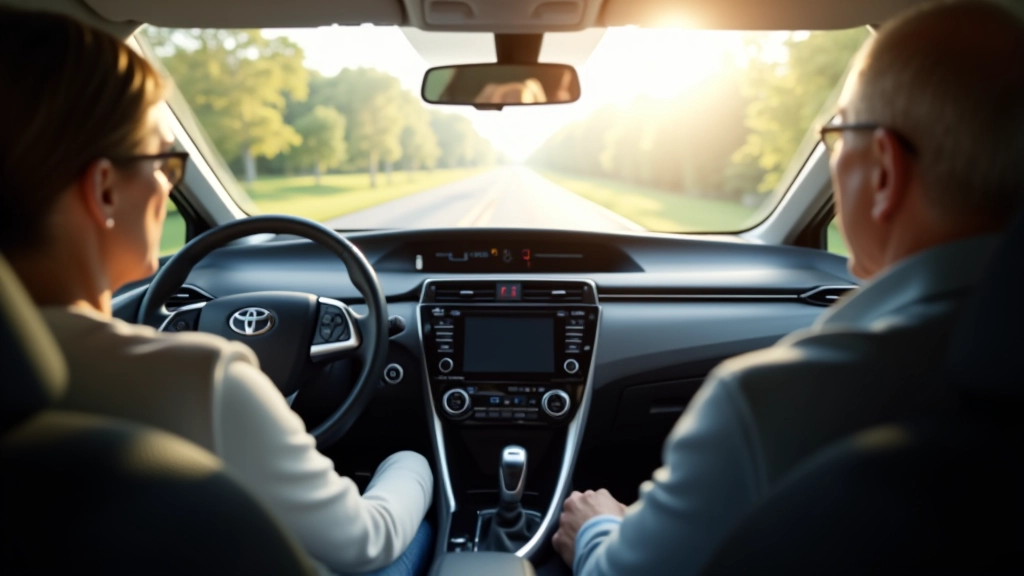
If you're looking at a recent Prius, you'll hear terms like "Toyota Safety Sense," "adaptive cruise," and "lane departure warning." These aren't marketing fluff — they're real technologies that change how the car drives. But here's the thing: knowing they exist and understanding what they actually do in traffic are two different things.
We've tested these systems on real roads around Ottawa and Calgary. Some work seamlessly. Others feel intrusive. And a few require a bit of getting used to. If you're over 50 and considering a Prius, it helps to know exactly what you're getting before you sit down with a dealer.
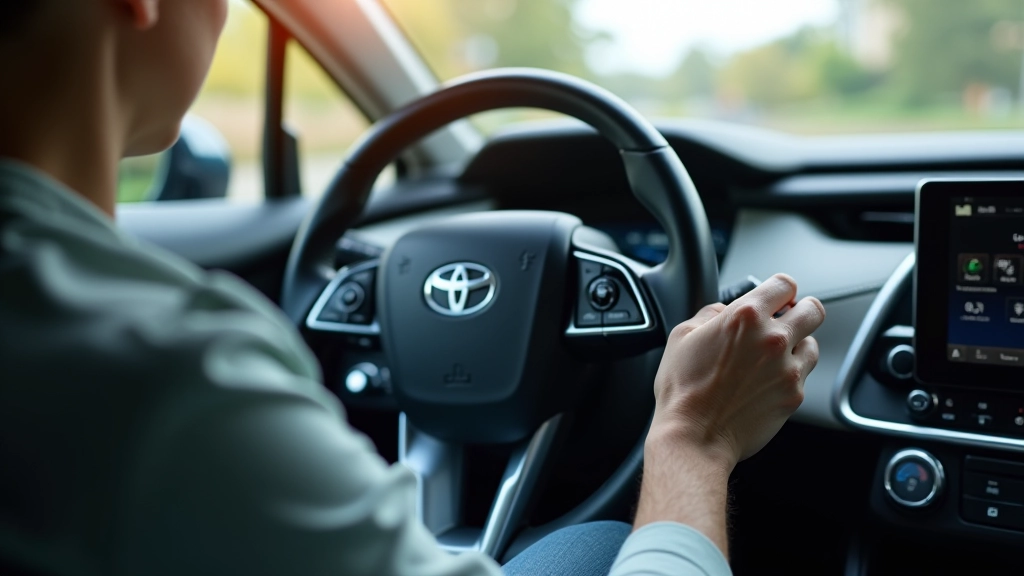
This uses radar to maintain a set distance from the car ahead. You pick your speed and the gap you want — it'll slow down automatically if someone pulls in front of you, then speed back up when they move over. It's genuinely useful on the highway.
The Prius version handles most situations smoothly. We tested it on Highway 401 near Toronto and it didn't jerk or hesitate. Where it gets tricky: bumpy roads or heavy traffic where cars are constantly cutting in and out. The system works, but you'll feel it braking harder than you might expect. After a few hours you adjust. Some drivers prefer to keep it off in city traffic and use it mainly on long stretches.
If you drift toward the edge of your lane, the car alerts you with a vibration in the steering wheel or a chime. The steering assist version goes further — it'll actually nudge the wheel to keep you centered. It's not taking over the car. You're still in control.
The steering nudge is subtle. You'll notice it most when you're tired or distracted. On a sunny afternoon, you might not feel it at all because you're naturally staying in your lane anyway. That's actually the point — it's there when you need it, not annoying when you don't. We found the warning works well. The steering assist takes some getting used to, especially if you're used to a light, responsive wheel.
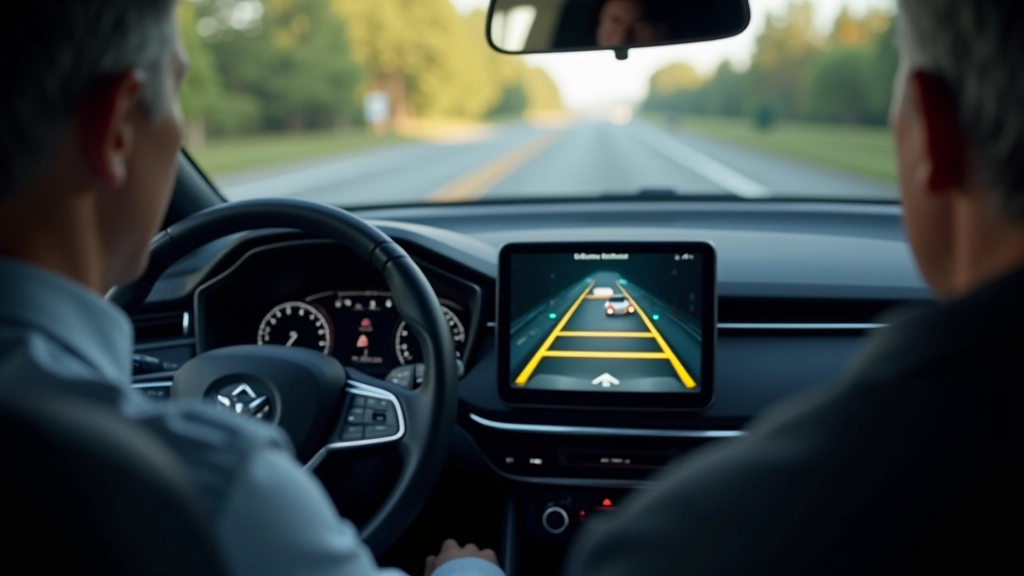
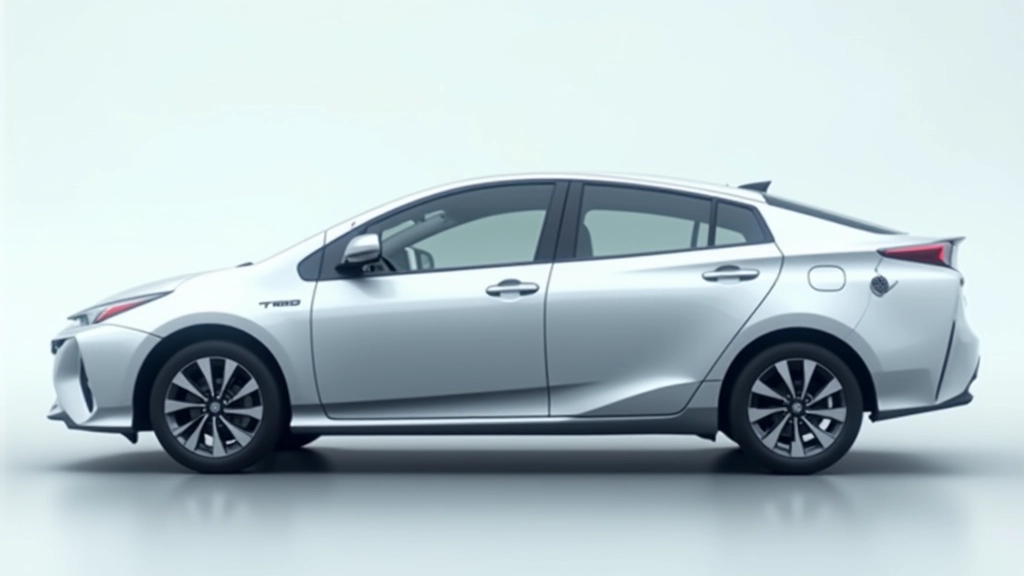
Pre-collision systems use cameras and radar to detect obstacles. If the car senses an imminent crash, it'll warn you. If you don't respond, it can apply the brakes. The Prius version is responsive. We tested it in low-speed scenarios and it caught situations that would've been close calls. It won't prevent every accident, but it does buy you reaction time.
Blind spot monitoring displays alerts on your side mirrors when another vehicle is beside you. It's straightforward and helpful, especially when changing lanes on busy highways. The warning appears as a light on the mirror itself, so you see it in your natural line of sight.
These systems work best when you're already paying attention. They're not a substitute for checking your mirrors or looking over your shoulder. If you're relying entirely on the car to keep you safe, you'll miss the point. They're tools that make driving less exhausting, especially on long trips.
The first few weeks with a new Prius can feel like the car's constantly watching you. The alerts, the steering corrections, the warning chimes — they're noticeable. After a month or so, they fade into the background. You stop noticing them because they're just part of how the car drives.
That said, you can customize most of these features. Don't like the steering assist? Turn it off. Find the lane warning too sensitive? Adjust the threshold. The Prius gives you options, which is appreciated. Not every driver wants the same level of intervention, and Toyota recognizes that.
Spend time in the settings menu. You'll find toggles for lane assist sensitivity, ACC behavior, warning volume, and more. It's worth tuning these to your preferences before you spend weeks fighting a feature you could've disabled in 30 seconds.
We talked to Prius owners over 50 across Canada. Most appreciated the adaptive cruise on highway drives. Many found lane steering helpful on long stretches. A few turned it off entirely because it felt intrusive. The consensus: these systems are useful, not essential. They reduce fatigue on boring drives, which matters when you're spending 8+ hours behind the wheel.

These safety features are tools designed to assist, not replace, your driving judgment. No system is perfect. Cameras can be obscured by rain or dirt. Radar has limitations in certain weather conditions. The responsibility for safe driving remains with you. Always stay alert, keep both hands on the wheel, and follow all traffic laws. If you're considering a Prius for your specific needs, we recommend taking an extended test drive to experience these systems firsthand.
Toyota's safety systems on the Prius aren't gimmicks. They work as advertised and genuinely reduce the mental load of driving. Are they necessary? No. But if you're spending 10+ hours a week on the road, they'll make those hours less exhausting. The adaptive cruise alone justifies the investment if you drive highways regularly.
The best part: you don't have to commit to using all of them. Explore what works for you, disable what doesn't, and enjoy a car that adapts to how you actually drive. That's what safety technology should do.

Editorial Team
Written by the elmoric Editorial Team, focused on practical hybrid sedan comfort and safety guidance for drivers over 50.
Explore other comfortable and practical options for drivers over 50
Comfortable seats, smooth transmission, and good fuel economy. We tested it on city streets and highways around Calgary.
Read Review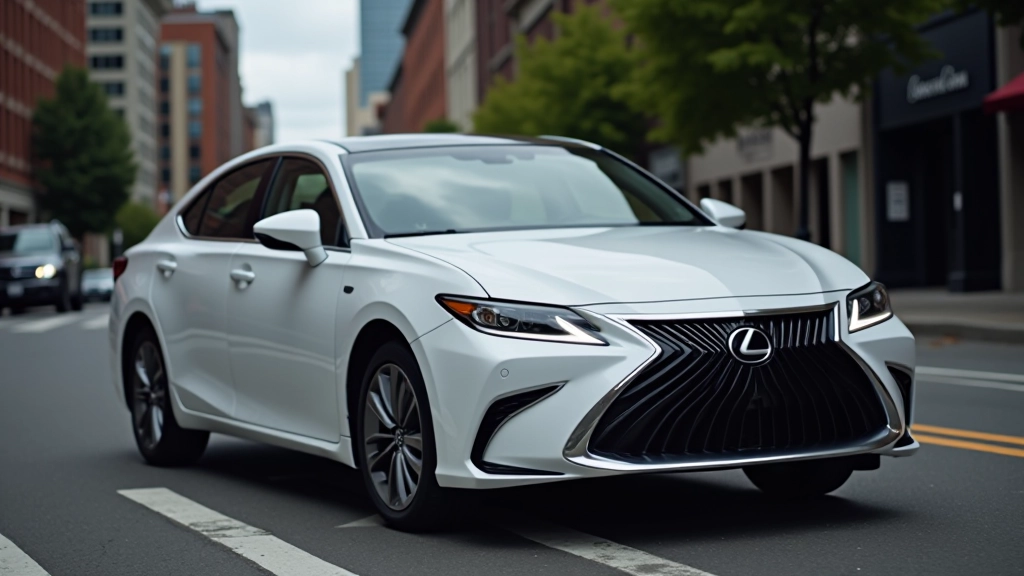
Both are popular choices for drivers over 50. We compared seat comfort, ride quality, and overall driving experience.
Compare Now
Hybrid maintenance isn't as scary as some people think. We break down what you'll actually pay in repairs and service.
Learn Costs