

Honda Accord Hybrid: Comfort That Actually Lasts
Comfortable seats, smooth transmission, and good fuel economy. We tested it on Calgary and Ottawa roads to see if it lives up to the reputation.
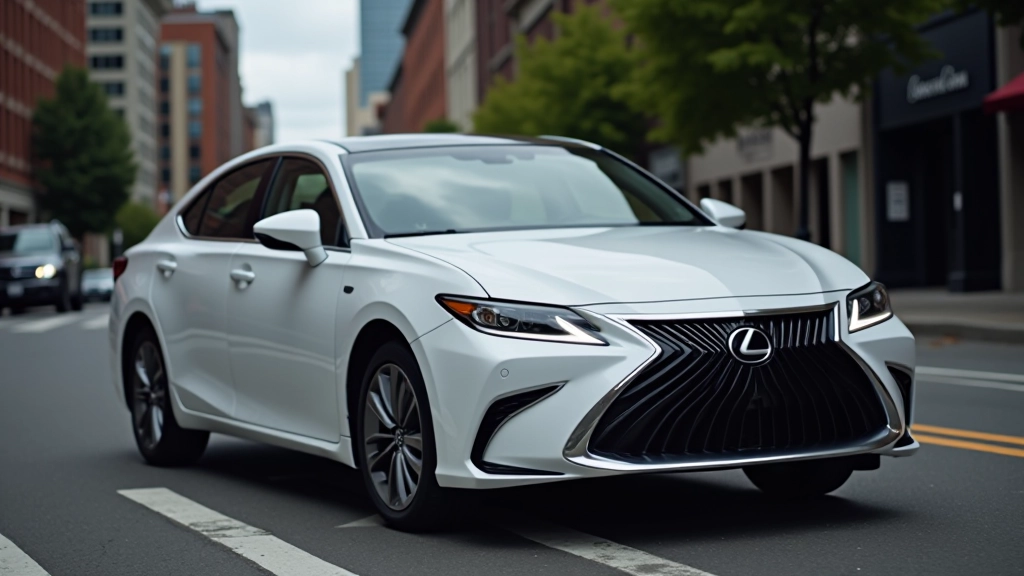
If you're over 50 and shopping for a hybrid sedan that actually feels good to sit in, you've probably noticed these two names come up constantly. Both are solid choices. But they're not the same. We spent time in both — really tested them on Ottawa roads, Calgary highways, and around town. Here's what actually matters for comfort.
The quick version: The Lexus ES feels more premium and refined. The Camry Hybrid gives you better value and slightly more cargo space. Comfort-wise, it's closer than you'd think — your choice depends on whether you prioritize that luxury feel or practicality.
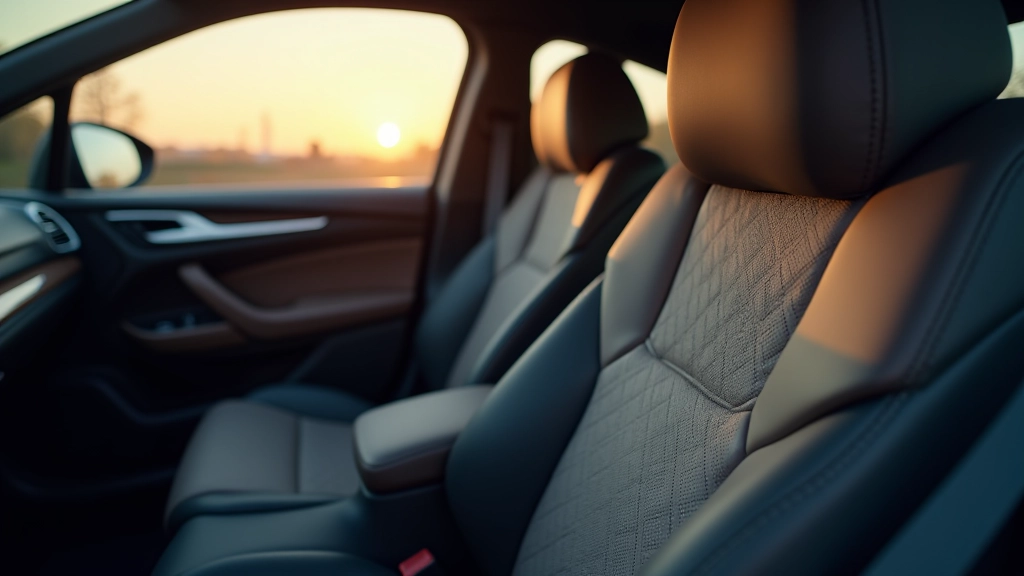
The Lexus ES has seats that feel like they were designed for long drives. Lots of padding, supportive bolsters, and adjustable lumbar support that actually works. You'll notice it immediately — that "sink into comfort" feeling. The fabric or leather options are both quality. And they warm up quickly on cold mornings, which matters if you're in Calgary.
The Camry Hybrid's seats are comfortable too, don't get us wrong. But they're more straightforward. Less plush, more utilitarian. They support you fine, but they won't coddle you the way the Lexus does. The upholstery feels durable rather than luxurious. For everyday driving, it's perfectly adequate. For those long weekend trips? You'll notice the difference.
Real detail: Lexus offers ventilated front seats on higher trims — important if you're sitting in traffic during hot summers. The Camry doesn't have this option.

Here's where the Lexus really shows its premium nature. The suspension soaks up bumps like they're not even there. Potholes? You barely feel them. Highway imperfections just disappear. This is what you're paying extra for — that insulated, floating feeling. It's the kind of smooth that makes you feel like the car is protecting you from the road.
The Camry Hybrid's suspension is competent. It handles rough roads well, doesn't bounce around, and feels stable. But it's more direct. You're more aware you're actually on the road. Some people prefer this — they like feeling connected. Others find it a bit jarring, especially on Ottawa's winter-damaged streets where potholes are basically a fact of life.
What we tested: Both vehicles on Highway 1 through the Canadian Rockies and urban streets with significant pavement wear. The Lexus maintained that smooth, refined feel throughout. The Camry stayed composed but felt more planted to the road.
Lexus prioritizes silence. The cabin insulation is excellent — road noise, wind noise, engine noise all stay mostly outside. Even on the highway at 100 km/h, you can have a normal conversation without raising your voice. The hybrid system is barely audible. You'll hear the engine kick in occasionally, but it's refined, not jarring.
The Camry Hybrid is quieter than many gas-only sedans, that's true. But it's not as insulated as the Lexus. You'll notice more road rumble, especially on rough pavement. The hybrid engine does make itself known — not loudly, but you're aware it's working. For drivers who spend 3-4 hours a day in their car, this adds up. By the end of a long drive, you might feel that accumulated noise fatigue in the Camry where you wouldn't in the Lexus.

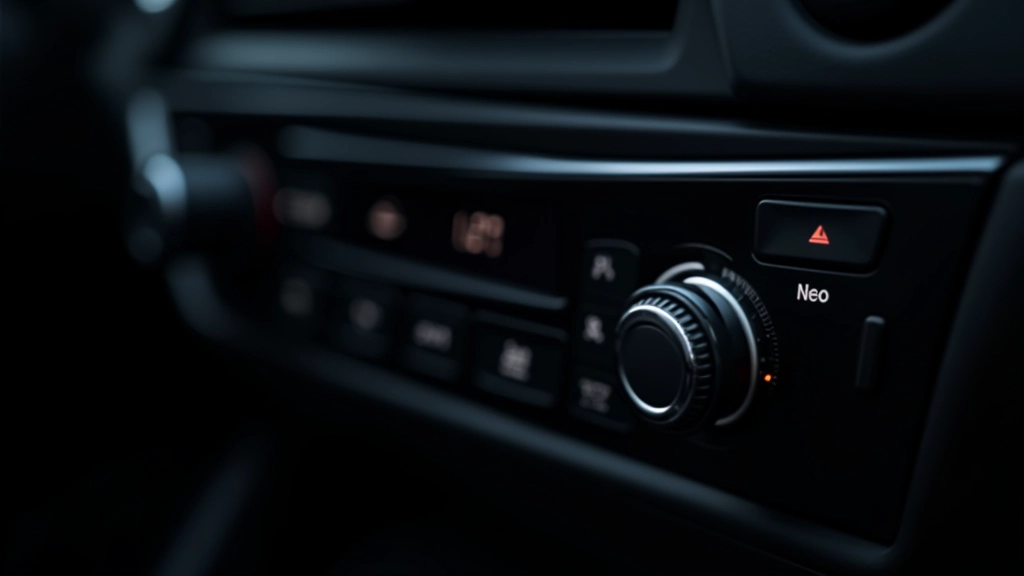
Both vehicles have dual-zone climate control on most trims. Where they differ is responsiveness. The Lexus system responds faster — you ask for 21 degrees and it gets there quicker. The cabin temperature stays more consistent even when you're switching between highway speeds and city driving.
The Camry's system works fine, but it's slightly slower to adjust. Not a major issue, but if you're sensitive to temperature changes — and many people over 50 are — you'll notice. The Lexus also offers heated and cooled seats as standard on upper trims, which is genuinely useful for older drivers who notice temperature swings more acutely.
Practical note: Both vehicles have excellent defroster performance. In Calgary winters, that matters. The Lexus defrosts slightly faster, but both will keep your windshield clear in heavy frost.
Choose the Lexus ES if you spend significant time driving and comfort is your top priority. You're paying more, but you're getting a noticeably more refined, quiet, smooth experience. If you take regular trips over 300 km or spend several hours daily in your car, the premium seats and suspension isolation are worth it. You won't arrive as tired.
Choose the Camry Hybrid if you want solid comfort without the luxury price tag. It's a capable, reliable sedan that won't leave you uncomfortable. It's better value overall, offers slightly more cargo space, and if you don't mind being a bit more aware of the road, you'll be perfectly happy. It's a smart, practical choice.
The honest truth? Both are good cars for drivers over 50. The Lexus prioritizes pampering. The Camry prioritizes practicality. Test drive both, sit in them for at least 15 minutes each, and drive them on the same roads you normally use. That's when you'll feel which one suits you better.
This article provides informational and educational content about hybrid sedan comfort features. Vehicle performance, comfort, and features may vary based on model year, specific trim level, and individual preferences. We recommend visiting authorized dealerships, reading current manufacturer specifications, and conducting your own test drives to verify comfort features match your specific needs. Prices, features, and availability are subject to change. Consult with dealerships for the most current information about specific vehicles and their options.
Comfortable seats, smooth transmission, and good fuel economy. We tested it on Calgary and Ottawa roads to see if it lives up to the reputation.
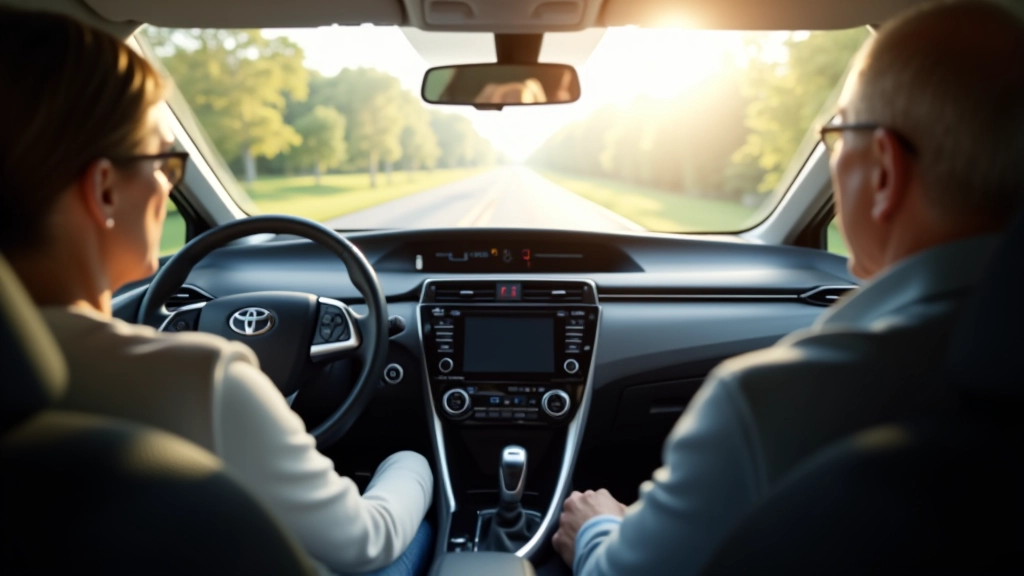
Toyota's safety suite sounds impressive on paper. Here's what each feature actually does and whether it's worth paying for.

Hybrid maintenance isn't as scary as some people think. We break down what you'll actually spend keeping these vehicles running smoothly.